
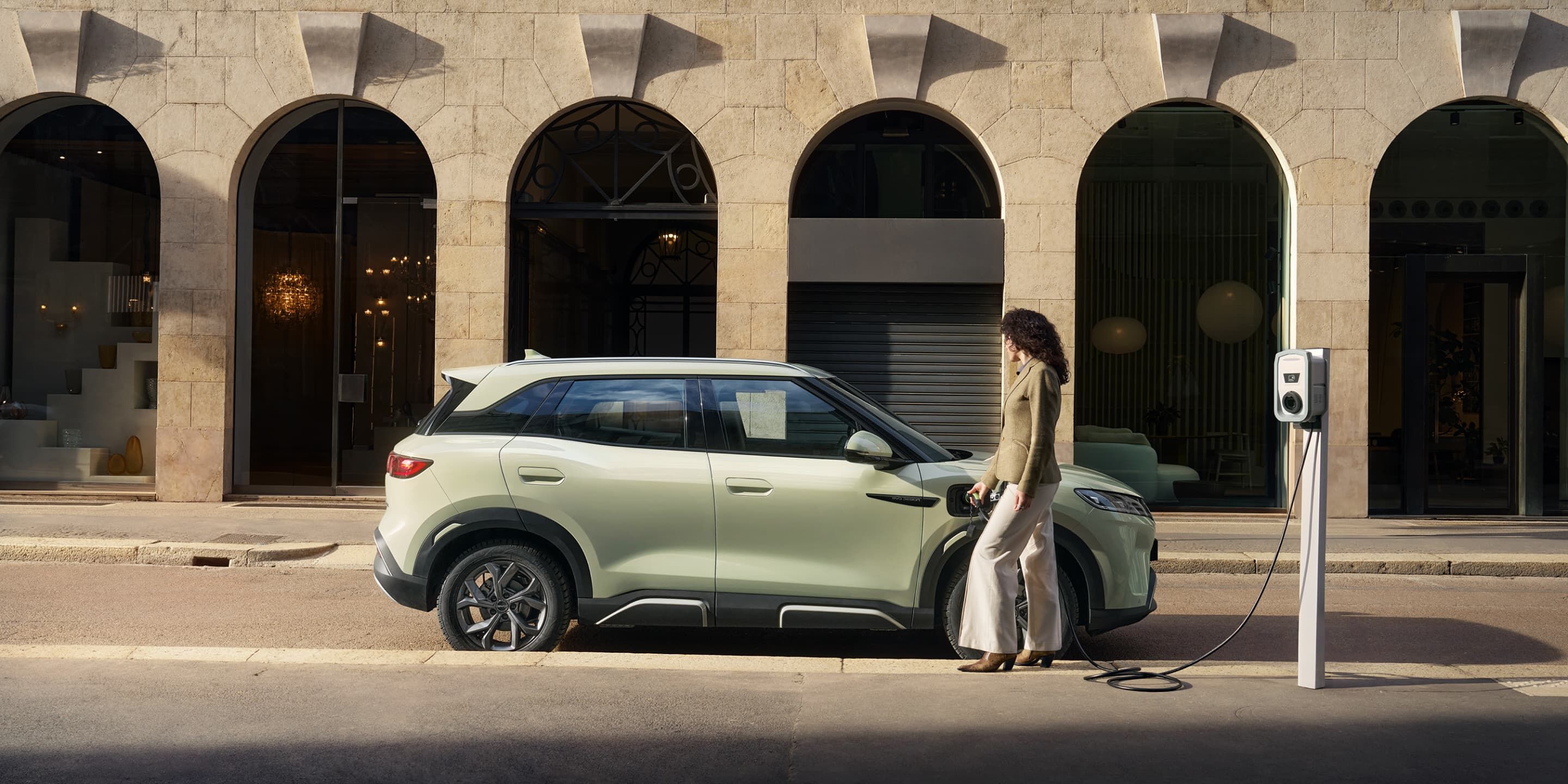
Begin with the installed connection, not the map filter
Record the actual AC and DC inlet arrangement and the applicable vehicle documentation. Compare it with the operator's current equipment description, including any restrictions on adapters or imported vehicles. The charging compatibility checks should precede network selection. Connector appearance, a generic EV logo and another driver's successful session are not conclusive evidence. If technical compatibility remains uncertain, ask the equipment supplier and qualified vehicle support for a written answer. Do not plan essential travel around an unverified adapter advertised through a marketplace listing.
Check whether you can actually start a session
Operators may use an app, card, terminal or another supported payment route, and access can differ between locations in the same network. Confirm what the intended site currently accepts. Check whether account creation needs a local phone number, address or payment card you can legitimately provide. Understand any temporary payment hold, connection charge and parking fee before arrival. Avoid handing account passwords or payment details to a vehicle seller who promises to activate everything. Set up your own account through the operator's official channel and keep recovery access under your control.
Distinguish charging power from journey predictability
A high maximum figure on a station does not establish the power your Yuan Up will receive. Vehicle limits, battery temperature, state of charge, site allocation and equipment conditions can affect a session. Use the DC charging test guide to interpret a documented observation rather than one dashboard photograph. For route planning, consider waiting time and the distance to the next alternative as well as charging time. A slower but accessible site can be a more dependable stop than a faster unit behind an uncertain access gate.
Inspect the location as a place to stop
Check opening hours, entry height, parking restrictions and whether charging bays remain available when the surrounding business closes. Cable reach may depend on the bay orientation, so study recent operator information and inspect the location when possible. Family travel also needs safe waiting arrangements and realistic access to facilities. Do not assume a hotel or dealership charger is public simply because it appears on a third-party map. Ask who can use it, whether booking is needed and whether the site can accommodate the vehicle without obstructing traffic or pedestrians.
Validate one routine before attempting a long trip
After arrival, test a nearby compatible charger while ample reserve remains and without a deadline. Record the operator, site, connector, authorisation method, starting charge and any messages. End the session according to the instructions, confirm release and check the receipt. If the car reports a fault, do not repeatedly force the connector or clear evidence merely to try again. The inlet and lock inspection helps distinguish physical damage from an account or equipment issue. Ask support to identify the failed step.
Build a fallback that fails independently
Select an alternative reachable with a conservative reserve and verify its access separately. Two pins on the same closed forecourt are not independent backups. Where practical, avoid relying exclusively on one operator account, one restricted car park or one uncertain adapter. Recheck information before an unfamiliar journey because equipment availability can change. Use hot-weather climate planning or the winter guide for seasonal demand, but do not replace sensible reserve planning with a fixed universal percentage. The necessary margin depends on route, weather and safe stopping options.
Keep the cost comparison honest
Compare the complete session cost, including energy, time-based charges where applicable, connection fees and parking. Separate a temporary authorisation hold from the final billed amount. Record home and public charging expenditure independently during the first weeks so the ownership budget reflects your actual pattern. A seller's electricity-cost example may assume a tariff or charging access you do not have. If public charging is your only realistic option, evaluate that routine before choosing the car, rather than treating an inaccessible home installation as a future certainty.
Buyer checklist
- Verify hardware and operator access independently.
- Create payment access through official channels.
- Test a nearby site before an essential journey.
- Keep a separately verified backup and realistic reserve.
Questions and answers
Does an app showing Atto 2 guarantee compatibility?
No. Confirm the BEV version and installed inlet. A database entry may describe another market or the separate DM-i model, and a compatible connection still needs working payment and site access.
Should I choose the highest-power station?
Choose a usable station that fits the route and the car. Maximum advertised output alone does not establish your charging rate, waiting time, access conditions or final cost.
Reference information
Use the applicable market and year documentation for equipment and operating limits. The references have their own market and publication scope; they do not establish the condition, fitted equipment or destination approval of an individual vehicle.
Continue with the real-range planning guide, or send your vehicle requirements.