
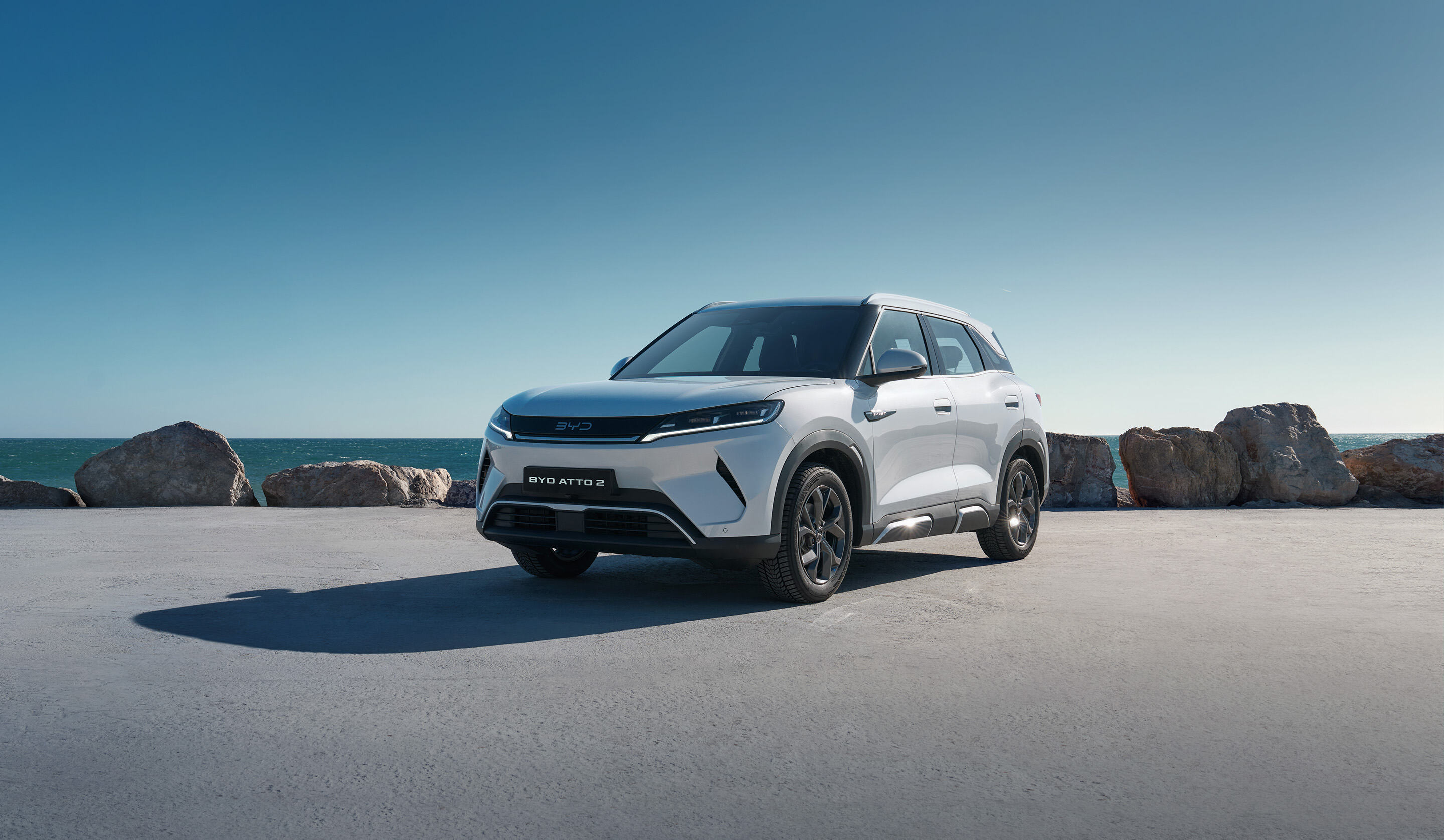
Identify the car before requesting a wallbox quote
Send the installer clear photographs of the charging inlet, vehicle identification plate and supplied cable labels. Include the original market and production date, not merely a translated trim name. Ask which AC connection standard and communication arrangement the proposed equipment supports. The Yuan Up and Atto 2 market guide explains why a shared model family is not proof of identical hardware. Do not buy adapters based on connector shape or assume a DC conversion also solves AC charging. Any proposed conversion needs documented technical and local approval, not a seller's informal assurance.
Match the overnight window to real journeys
Write down the distance normally driven between charging opportunities and the hours the car can remain parked. Estimate energy using your expected conditions rather than advertised laboratory range; allow for charging losses and climate use. Compare that daily requirement with the vehicle's confirmed AC acceptance and the installer's available supply. A higher wallbox rating cannot make the onboard charger accept more power. Review route and range planning if an early departure, irregular shifts or a shared parking space makes the overnight window unreliable. Keep a workable public charging fallback.
Survey the electrical supply rather than guessing
A qualified electrician should assess the property's supply capacity, existing loads, earthing, protection, cable route and applicable installation rules. Provide information about other major loads and whether simultaneous operation is likely. Ask whether load management is necessary and what happens after a supply interruption. This is not a DIY wiring exercise: neither an ordinary socket nor an extension lead should be treated as suitable merely because a portable unit powers on. Obtain a written scope identifying approvals, inspection and the person responsible for final commissioning.
Make the parking arrangement usable every day
Measure the distance from the proposed unit to the actual inlet with the car parked in its normal orientation. Consider doors, pedestrians, rain exposure and how the cable will be stored without becoming a trip hazard. In a shared building, obtain the relevant parking and installation consent before committing to the vehicle. Clarify who owns the charger, how electricity is billed and whether access can be withdrawn. A technically compatible charger is not a reliable home solution if the driver must cross another resident's space or borrow access credentials each night.
Separate equipment cost from completed installation
Request an itemised quote for the charging unit, survey, cabling, civil work, protective equipment, permissions and commissioning. Record exclusions such as supply upgrades or repairs discovered during inspection. Ask who supports the charger locally and whether its app or connection features require a regional account. Add these items to the landed ownership budget; the vehicle invoice rarely settles property work. Compare two complete installation scopes, not a low online hardware price with a fully installed proposal. Retain the quote validity and payment milestones.
Commission with the actual imported vehicle
The handover demonstration should cover connecting, authorising a session, observing stable charging and ending it correctly. Test the agreed scheduling arrangement and confirm which device controls the schedule so two timers do not conflict. Record the charger identifier, vehicle state of charge, approximate duration and any messages. Use the applicable equipment instructions for interruption and restart checks; do not simulate faults by improvising live electrical work. If a session fails, retain both vehicle and charger evidence and involve their support teams before attributing the problem to the traction battery.
Keep a fallback without disguising an unresolved fault
Before relying on the new installation for work travel, complete normal charging sessions over the intended parking window. Locate a compatible public alternative and establish payment access using the public charging preparation guide. A fallback protects a journey but does not close an installation defect. Keep certificates, equipment serial numbers and support contacts with the vehicle records. If the property supply, parking position or charging equipment later changes, revisit the relevant assessment rather than assuming the original commissioning result covers the new arrangement.
Buyer checklist
- Confirm BEV identity, inlet and onboard AC specification.
- Obtain a property survey and permissions before ordering equipment.
- Compare complete installation scopes and exclusions.
- Commission with the selected car and retain support records.
Questions and answers
Can I order a European Atto 2 wallbox for any Yuan Up?
Not solely from the model name. Verify the specific vehicle inlet, communication requirements, electrical supply and local installation approval. A China-market vehicle may require a different supported arrangement.
Does a more powerful wallbox always shorten charging?
No. The usable rate is limited by the car, supply and equipment together. Base the decision on the confirmed AC specification and daily replenishment window, not the largest advertised charger rating.
Reference information
Use the applicable market and year documentation for equipment and operating limits. The references have their own market and publication scope; they do not establish the condition, fitted equipment or destination approval of an individual vehicle.
Continue with the charging compatibility guide, or send your vehicle requirements.