
Describe an ordinary week rather than an ideal charging stop
Write when the vehicle is used, where it is parked, how much time the driver can spend charging and what happens on a busy or disrupted day. Separate an occasional convenient stop from repeatable ordinary access. The public charging and payment guide keeps practical network use beside the map. A charger at a destination may have restricted hours, shared access or parking conditions that matter to this buyer. Do not promise that every nearby facility will be free and available when needed. The purchase case should work through normal constraints, not depend on one perfectly timed demonstration.
Match the candidate to actual equipment and access
Identify the offered VIN’s original market, installed charging hardware and applicable operation through attributable records and suitable checks. The charging compatibility guide distinguishes a physically similar connector from the complete charging path. Confirm legitimate payment, account and facility access with the relevant provider instead of assuming one market’s app or subscription works elsewhere. Do not prescribe bypasses or unverified adaptors. Record which sites have been appropriately checked and which remain a planning assumption. A seller’s successful session at a China-side charger does not prove the owner can use every station in the intended destination.
Test the routine against actual route demand
Use a representative duty description including congestion, longer trips, passengers and climate-control use. The real-range review keeps test-cycle figures separate from observed or assumed road use. Ask whether public charging fits the repeatable schedule and whether a different battery version changes that task. Do not calculate a universal number of stops from an advertised range alone. Retain appropriate operating margins as a qualified planning matter rather than inventing one rule for every climate. A bigger pack can help some journeys without making inaccessible payment, incompatible equipment or unavailable parking disappear from the ownership plan.
Keep disruption and support on the purchase boundary
List plausible access interruptions and what the buyer can actually do if a preferred facility is unavailable. A practical alternative route matters more than a confident statement that there are many chargers. Verify receiving service for charging and thermal diagnosis through the maintenance and parts guide. A station fault and a vehicle-side problem require different responsible providers. Do not invent a guaranteed recovery time or assume roadside services support every imported configuration. If the buyer cannot organise an acceptable alternative to a single uncertain access point, retain that as a purchase condition rather than calling the routine established.
Compare the full cost and time assumptions
Use attributable tariffs and facility charges where available, with dates and scope, while labelling future prices and usage as assumptions. The three-year ownership worksheet can compare a public-only routine with another actual suitable purchasing route. Retain charging travel, paid parking and practical waiting constraints without inventing a cash value for every minute. A low vehicle ask does not establish inexpensive ownership when access is awkward. Do not promise a fuel-saving payback or compare an imported vehicle price with a local fully prepared total. Useful equipment, current condition and complete acquisition remain part of the decision.
Commit only to the routine that can be supported now
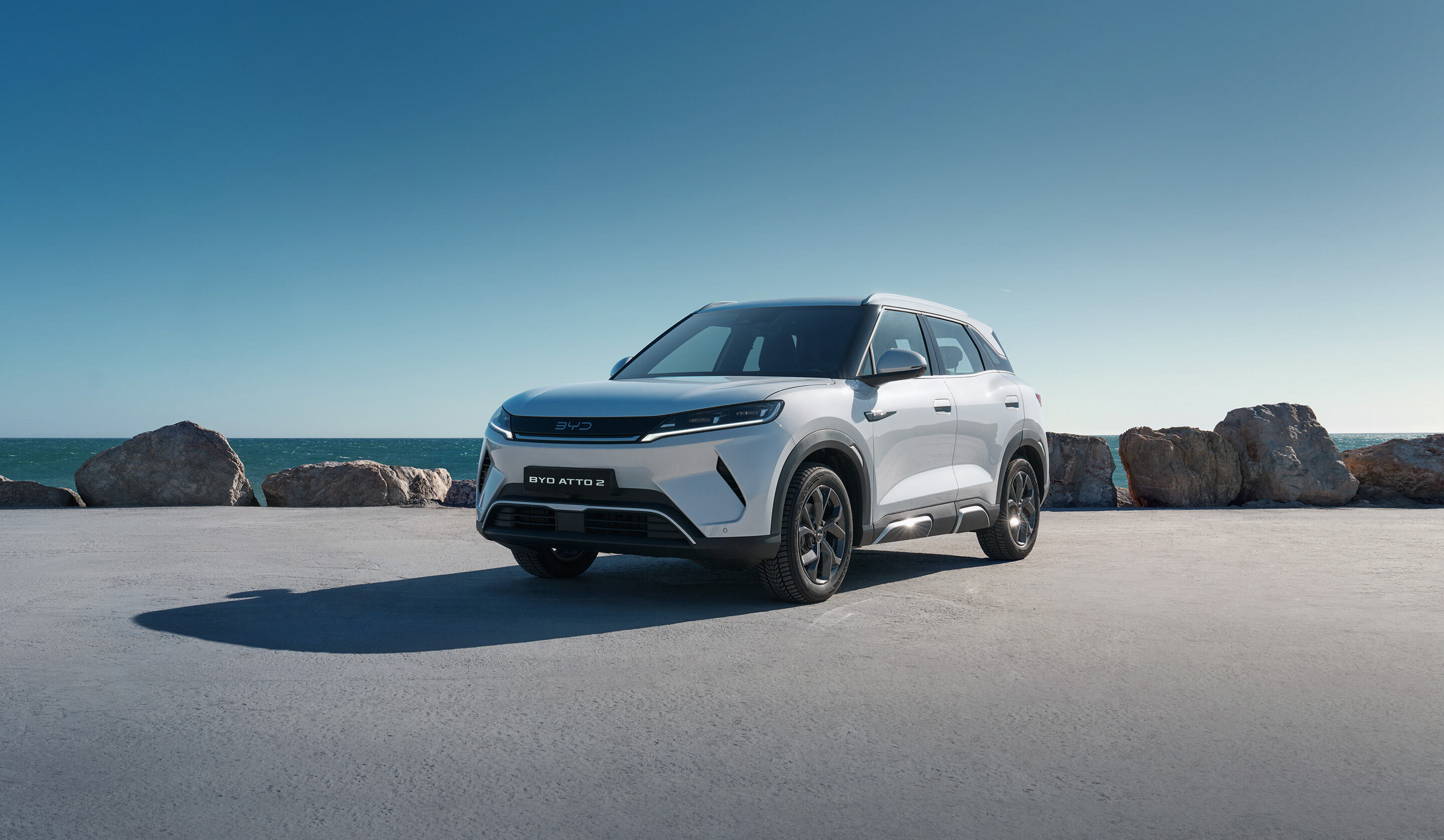
Carry confirmed compatibility, legitimate access, realistic duty and accepted limitations into the purchase equipment schedule. Treat a future home charger, workplace permission or network expansion as conditional until actually established. If the candidate changes, repeat the charging identity and condition assessment. A public-only buyer may reasonably choose a Yuan Up or Atto 2 EV when the task and access fit; another buyer may need a different route. The conclusion should explain that difference rather than claim public-only ownership always works or never works. Retain what the owner must arrange independently before vehicle delivery.
Compare the acceptance conditions
- Supported routine
- Legitimate compatible facilities fit ordinary duty with a usable alternative plan.
- Conditional routine
- Resolve access, payment, parking or installed-hardware questions before commitment.
- Different route
- Consider another actual offer when the EV routine depends on unavailable essential access.
Buyer evidence checklist
- Describe the normal weekly charging schedule.
- Verify installed hardware and legitimate network access.
- Keep actual route demand separate from brochure range.
- Identify an acceptable disruption alternative.
- Compare complete acquisition and labelled operating costs.
Questions before you buy
Does a nearby charger prove public-only ownership will work?
No. Compatibility, legitimate access, payment, availability and practical timing need review.
Will a larger battery solve every access problem?
No. It cannot establish payment access, charging compatibility or usable facility availability.